
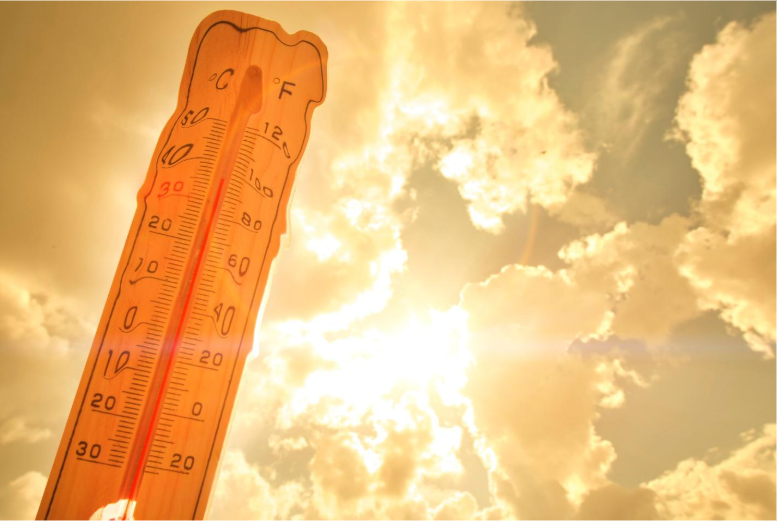
Learn about heat wave power grid issues, why electricity demand spikes during extreme temperatures, and how reliable power systems support homes and businesses across South Carolina, including Hartsville and Marion.
Introduction: Why Heat Waves Challenge Modern Power Systems
Heat wave power grid issues become more common when extreme temperatures push electrical systems harder than usual. Many homes and businesses rely heavily on electricity during hot weather. Air conditioners run longer and consume more energy throughout the day. Understanding these challenges helps communities prepare for periods of high demand.
South Carolina's climate brings long, hot summers with warm weather influences that can increase cooling needs. As temperatures climb, electricity consumption often rises across entire regions. Electricity providers must balance supply and demand to maintain stable service. Consequently, power systems face added pressure during extended heat events.
Reliable electricity supports daily activities, workplace productivity, and public services. Residents depend on power for comfort, communication, and essential appliances. Businesses also need dependable electrical service to continue normal operations. Therefore, grid performance affects nearly every part of a community.
Energy resilience becomes especially important when weather conditions remain severe for several days. Communities benefit when electrical infrastructure performs consistently under stress. Learning how heat affects the grid provides valuable insight into local energy challenges. Heat wave power grid issues highlight the importance of reliable electrical systems for everyone.
What Are Heat Wave Power Grid Issues?
Heat wave power grid issues occur when extreme temperatures place unusual stress on electrical systems. During these periods, energy demand often increases across residential, commercial, and industrial sectors. Power providers must supply enough electricity to meet growing consumption. As a result, the grid operates closer to its capacity limits.
Electricity infrastructure includes power plants, substations, transformers, and transmission lines. Each component plays a role in delivering electricity to homes and businesses. However, excessive heat can reduce the efficiency of certain equipment. This added strain may affect overall system performance during prolonged heat events.
Unlike routine seasonal demand increases, severe heat waves can create sustained pressure on the grid. Cooling systems often run continuously throughout the day and night. Consequently, electricity usage remains elevated for longer periods. Utility operators closely monitor these conditions to maintain reliable service.
South Carolina's climate can contribute to significant summer energy demand because of its warm, tropical influences. Communities throughout the state often experience extended periods of high temperatures and humidity. These weather patterns increase reliance on cooling equipment. Therefore, understanding heat-related grid challenges helps residents and businesses better appreciate the importance of electrical reliability.
Why Electricity Demand Increases During Extreme Heat
Extreme heat causes people to use more electricity throughout the day. Air conditioning systems work harder to maintain comfortable indoor temperatures. Many units run for longer periods without significant breaks. Consequently, overall energy consumption rises across entire communities.
Homes are not the only source of increased demand during heat waves. Businesses also rely on cooling equipment to keep employees and customers comfortable. Offices, retail stores, restaurants, and other facilities often increase energy use. Therefore, commercial consumption contributes to higher system-wide demand.
Industrial operations may experience additional cooling requirements during hot weather. Some facilities use temperature-sensitive equipment that must remain within specific operating ranges. As outdoor temperatures rise, maintaining those conditions can require more electricity. This further increases pressure on the power grid during heat waves.
The state's climate, influenced by tropical weather patterns, often creates hot and humid summer conditions. Residents in communities such as Hartsville and Marion frequently depend on cooling systems for indoor comfort. As more people use electricity simultaneously, demand can reach seasonal highs. Electric service providers carefully monitor these trends to support reliable service during extreme heat.
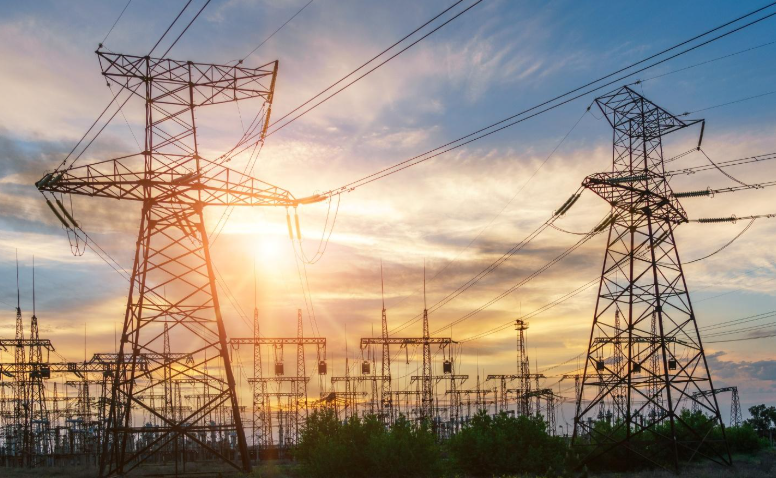
Photo from iStock - Credit: Yelantsevv
How High Temperatures Affect Power Grid Equipment
Extreme heat does more than increase electricity demand. It can also affect the equipment that delivers power to homes, businesses, and critical facilities. When temperatures remain high for extended periods, electrical infrastructure must work harder to maintain reliable service. Understanding these impacts helps explain why grid reliability becomes a major concern during heat waves.
Transmission lines can expand and sag
- Metal transmission lines expand as temperatures rise.
- Increased sag may reduce operational efficiency.
- Utilities monitor line conditions to maintain safe power delivery.
Transformers experience greater operating stress
- Transformers generate heat during normal operation.
- Extreme outdoor temperatures can make cooling more difficult.
- Prolonged heat exposure may affect overall performance.
Substations face increased thermal loads
- Substations help regulate and distribute electricity.
- Higher temperatures place additional strain on electrical components.
- Continuous monitoring supports reliable operation during peak demand periods.
Equipment efficiency may decline
- Electrical systems generally perform best within specific temperature ranges.
- Excessive heat can reduce the effectiveness of certain infrastructure assets.
- Power distribution companies account for these conditions when managing the grid.
Maintenance demands often increase
- Heat-related stress can accelerate wear on equipment.
- Routine inspections help identify potential concerns early.
- Preventive maintenance supports long-term system reliability.
As temperatures climb across South Carolina's climate, which includes strong tropical influences, electrical infrastructure faces added challenges. Electric service providers use monitoring technology, maintenance programs, and infrastructure improvements to strengthen reliability during extreme weather. These efforts help communities maintain dependable electrical service when heat places the greatest demand on the power grid.
Heat Wave Power Grid Issues and Residential Energy Reliability
Reliable electricity becomes especially important during periods of extreme heat. As temperatures rise, households depend more heavily on electrical systems to maintain safe and comfortable indoor environments. Heat wave power grid issues can place additional strain on energy infrastructure, creating challenges for utilities working to meet increased demand. Understanding this relationship helps homeowners recognize why grid reliability matters during severe weather conditions.
Residential energy use typically increases during heat waves because cooling systems operate more frequently. Air conditioners often run for longer periods to maintain consistent indoor temperatures. At the same time, appliances, lighting, and electronic devices continue to consume electricity throughout the day. This combination of energy needs can contribute to significant demand across entire communities.
When summer power demand reaches elevated levels, local utility companies must carefully balance energy production and distribution. Grid operators continuously monitor system conditions to support stable service and reduce potential disruptions. Modern infrastructure, advanced monitoring technology, and ongoing maintenance efforts all play important roles in maintaining reliability. These measures help electrical systems perform effectively during periods of sustained heat.
South Carolina's environmental conditions, influenced by tropical weather patterns, regularly bring hot and humid summer conditions. Residents in communities such as Hartsville and Marion often rely on dependable electrical service to support daily activities and indoor comfort. As extreme heat events become more frequent, reliable power infrastructure remains essential for homes throughout the region. Strong grid performance helps communities stay resilient when temperatures climb.
The Impact on Local Businesses and Critical Services
Reliable electricity supports far more than residential comfort during periods of extreme heat. Businesses, healthcare facilities, schools, and public service organizations all depend on stable power to maintain daily operations. When temperatures rise and energy demand increases, electrical reliability becomes even more important. Heat-related grid stress can affect entire communities if service interruptions occur.
Local businesses rely on electricity to operate equipment, support communication systems, and maintain comfortable indoor environments. Retail stores, offices, restaurants, and other commercial facilities often experience higher energy usage during hot weather. Consistent electrical service helps these organizations continue serving customers and supporting employees. As a result, grid reliability contributes to economic stability within the community.
Critical services also depend on dependable power infrastructure. Healthcare facilities use electricity to support medical equipment, climate control systems, and essential operations. Schools, government buildings, and emergency response agencies likewise require reliable electrical service to function effectively. During extreme heat events, uninterrupted power helps these organizations continue meeting community needs.
Regional weather conditions, with their hot summers and tropical influences, can create significant seasonal demand on electrical systems. Communities such as Hartsville and Marion benefit from strong infrastructure that supports both businesses and essential services. Local utility companies continually monitor grid conditions and plan for periods of increased demand. These efforts help strengthen community resilience and support reliable operations during extreme weather conditions.
How South Carolina Heat Impacts Grid Reliability
Grid reliability refers to the ability of an electrical system to consistently deliver power when customers need it. During the summer months, maintaining reliable service becomes more challenging because electricity demand often increases significantly. Higher temperatures lead to greater use of cooling systems across residential, commercial, and industrial properties. As a result, utility providers companies must carefully manage energy resources to support stable operations.
South Carolina's weather is known for its warm temperatures, high humidity levels, and coastal influences. These conditions can extend periods of elevated electricity demand throughout the summer season. Air conditioning systems often operate for longer hours, especially during heat waves. Consequently, electrical infrastructure must handle increased loads for extended periods.
Regional energy providers use advanced forecasting tools to predict periods of peak energy consumption. These forecasts help operators prepare for changing weather conditions and shifting demand patterns. Continuous system monitoring allows utilities to respond quickly when grid conditions change. This proactive approach helps maintain reliability during times of heightened stress on the electrical network.
Communities throughout South Carolina, including Hartsville and Marion, depend on reliable electrical services to support daily life and economic activity. Ongoing infrastructure investments, equipment upgrades, and maintenance programs help strengthen grid performance. As energy needs continue to evolve, utilities focus on improving resilience and long-term reliability. These efforts help ensure dependable power delivery during the state's hottest months.
Energy Infrastructure Considerations in Hartsville, SC
Hartsville relies on dependable electrical infrastructure to support homes, businesses, schools, and public facilities throughout the year. During periods of extreme heat, energy demand often increases as residents and organizations use cooling systems more frequently. This growing demand highlights the importance of a resilient and well-maintained power grid. Reliable electrical service helps the community remain comfortable, productive, and connected during challenging weather conditions.
Like many communities across South Carolina, Hartsville experiences hot and humid summers influenced by the state's tropical climate patterns. These conditions can place additional pressure on local electrical systems as cooling needs rise. Regional energy providers carefully monitor usage trends and system performance during peak demand periods. Their efforts help support stable service when temperatures remain elevated for extended periods.
Modern electrical infrastructure depends on a network of substations, transformers, transmission lines, and distribution equipment. Each component plays an important role in delivering electricity safely and efficiently throughout the community. Ongoing maintenance and infrastructure improvements help strengthen system reliability and reduce vulnerabilities. These investments support long-term performance as energy demands continue to evolve.
Community awareness also contributes to energy resilience during extreme weather events. Understanding how heat affects electricity demand helps residents appreciate the challenges faced by power providers. As Hartsville continues to grow and develop, reliable infrastructure remains a key part of supporting everyday life. Strong electrical systems help the community adapt to changing energy needs and seasonal weather conditions.
Energy Infrastructure Considerations in Marion, SC
Marion depends on reliable electrical infrastructure to support residential neighborhoods, local businesses, healthcare facilities, and community services. During periods of extreme heat, electricity demand often rises as cooling systems work harder to maintain indoor comfort. This increased demand places greater importance on the performance of local and regional power systems. Strong infrastructure helps support consistent service when temperatures remain high.
South Carolina's year round weather, shaped by warm temperatures and coastal influences, can create challenging conditions for electrical networks during the summer months. Residents and businesses in Marion, SC often rely heavily on air conditioning during extended heat waves. As energy consumption increases across the area, electric utility providers must carefully manage grid operations. Effective planning helps maintain stability during periods of elevated demand.
Reliable power delivery depends on a combination of transmission lines, substations, transformers, and distribution equipment. These interconnected systems work together to move electricity safely throughout the community. Regular inspections, maintenance programs, and infrastructure improvements help strengthen overall reliability. Ongoing investments also support the grid's ability to adapt to changing energy needs.
Community resilience is closely tied to dependable electrical service during extreme weather events. Understanding how heat affects electricity demand can help residents appreciate the importance of a well-maintained power system. As Marion continues to serve the needs of its residents and businesses, reliable infrastructure remains a critical priority. Strong grid performance supports safety, comfort, and economic activity throughout the community.
How Utility Providers Prepare for Extreme Weather Conditions
Extreme weather can create significant challenges for electrical systems, especially during prolonged heat waves. Utility providers use extensive planning and monitoring processes to support reliable power delivery when demand increases. Their preparation efforts focus on maintaining grid stability, protecting infrastructure, and reducing potential service disruptions. These proactive measures help communities remain connected during periods of severe weather.
Forecast electricity demand
- Analyze weather patterns and seasonal trends.
- Predict periods of peak energy consumption.
- Prepare resources for increased electricity usage.
Monitor grid conditions in real time
- Track system performance across service areas.
- Identify potential stress points on the grid.
- Respond quickly to changing operating conditions.
Inspect critical electrical infrastructure
- Evaluate substations, transformers, and transmission lines.
- Identify equipment requiring maintenance or upgrades.
- Support reliable operation during peak demand periods.
Perform preventive maintenance
- Address potential issues before they worsen.
- Improve equipment reliability during extreme heat.
- Reduce the risk of unexpected service disruptions.
Strengthen emergency preparedness plans
- Coordinate response strategies for severe weather events.
- Prepare crews and resources for rapid deployment.
- Improve restoration efforts when power outages occur.
Invest in grid modernization
- Implement advanced monitoring technologies.
- Upgrade aging infrastructure where necessary.
- Enhance long-term reliability and system resilience.
South Carolina's environment, influenced by tropical weather patterns, can create extended periods of heat and humidity that increase electricity demand. Communities such as Hartsville and Marion benefit from utility preparation efforts designed to support dependable power delivery. Through forecasting, maintenance, infrastructure improvements, and continuous monitoring, providers work to strengthen grid resilience. These measures help maintain reliable service when extreme weather places added pressure on electrical systems.
Community Energy Resilience and Future Grid Improvements
Community energy resilience refers to a community's ability to maintain essential services and recover from disruptions that affect electrical systems. As heat waves place increasing pressure on power infrastructure, resilience becomes an important part of long-term planning. Reliable energy systems help support homes, businesses, healthcare facilities, and public services during periods of extreme weather. Strong infrastructure also helps communities adapt to changing energy demands.
Advancements in technology continue to improve how electrical systems respond to challenging conditions. Modern monitoring tools provide utility operators with real-time information about grid performance. These technologies help identify potential concerns before they affect service reliability. Faster detection and response capabilities contribute to stronger overall grid resilience.
Infrastructure upgrades also play a significant role in supporting future energy needs. Power distribution companies regularly invest in improvements to substations, transformers, transmission lines, and distribution equipment. These upgrades help electrical systems operate more efficiently during periods of high demand. Ongoing modernization efforts can strengthen reliability as communities continue to grow.
South Carolina's climate, influenced by tropical weather patterns, highlights the importance of preparing for future heat-related energy challenges. Communities such as Hartsville and Marion benefit from investments that support dependable power delivery and long-term system performance. As utilities continue enhancing infrastructure and adopting new technologies, community resilience can continue to improve. These efforts help create a stronger foundation for reliable energy service during future heat waves.
Building Awareness Around Energy Reliability
Heat waves can create significant challenges for electrical systems by increasing energy demand and placing additional stress on critical infrastructure. Understanding how extreme temperatures affect the power grid helps homeowners, businesses, and community leaders better appreciate the importance of reliable electricity. From increased air conditioning use to the demands placed on transformers and transmission lines, many factors contribute to grid performance during periods of severe heat. Awareness of these conditions helps communities understand the value of long-term energy planning and infrastructure investment.
Reliable power supports comfort, safety, productivity, and essential services throughout the year. Electricity providers continuously monitor system conditions, maintain infrastructure, and prepare for periods of elevated demand to help ensure dependable service. Communities such as Hartsville and Marion benefit from these efforts, especially during South Carolina's hot summers and tropical weather influences. Strong electrical systems play a critical role in supporting everyday life when temperatures rise.
As energy needs continue to evolve, grid resilience remains an important priority. Investments in modern technology, infrastructure improvements, and system monitoring help strengthen the ability of electrical networks to withstand extreme weather conditions. These initiatives support long-term reliability while helping communities adapt to future challenges. Continued planning and modernization can further enhance energy resilience across the region.
Understanding heat wave power grid issues provides valuable insight into how electricity systems respond during extreme temperatures. By recognizing the connection between weather, energy demand, and infrastructure performance, communities can better appreciate the importance of reliable power delivery. Strong grid reliability supports homes, businesses, and critical services throughout South Carolina. As a result, heat wave power grid issues remain an important topic for building resilient and well-prepared communities.
Ensure Reliable Power When Temperatures Rise
If you're concerned about how extreme summer temperatures affect your home's electrical system, schedule a professional electrical evaluation with Mister Sparky of Florence, SC. Our team helps homeowners maintain safe, dependable power throughout South Carolina's hottest months.