Key Takeaways About Generator Types
This article explains the main generator types for home backup power and what each option does. It is for homeowners and property managers planning for outages or evaluating backup power needs.
- Identify essential circuits and appliances to protect during outages.
- Prevent backfeed risks by using a proper transfer switch setup.
- Avoid overloads by matching generator kilowatts to load needs.
- Spot fuel and exhaust issues before they create safety hazards.
- Reduce runtime problems with scheduled maintenance and testing.
- Plan siting and permits to meet local installation requirements.
Introduction
Power outages in coastal North Carolina can last hours or days, and choosing the right generator type matters for safety and comfort. Homes without a clear backup plan risk food spoilage, frozen pipes in cold snaps, and loss of essential medical equipment. Knowing the differences between standby systems and other options helps homeowners match capacity to real needs. For many properties, the decision affects daily routines and long-term resilience.
Standby generators activate automatically when grid power fails, so they protect sensitive systems like heating, sump pumps, and refrigeration. Fuel type and transfer switch setup determine how much load a unit can safely carry. Properly sized equipment avoids nuisance tripping of circuit breakers and overloads on the service panel. Expect different installation impacts depending on fuel availability and yard space.
Homeowners often notice practical warning signs before an outage becomes a problem, such as fridge cycling when storms approach or a noisy portable unit used temporarily. Those signs help decide whether a permanent standby unit is worth the investment. A professional will confirm home load needs by checking the main panel, individual breakers, and major appliances. That inspection yields a written recommendation and a clearer timeline for installation.
Properties in Wilmington, NC and Shallotte, NC face similar outage realities, especially when storms remove power for extended periods. Local conditions make fuel access and neighborhood restrictions important planning factors. Talking with an electrician about generator types and transfer equipment reduces surprises during design and permitting. When safety is at stake, hire a licensed professional to assess and install backup power systems.
Photo from iStock - Credit: gsagi
Overview of Common Power Outage Causes in North Carolina
Common causes of North Carolina power outages include severe storms, falling trees, equipment failure, and planned utility work.
- Severe thunderstorms can drop lines.
- Hurricanes and tropical storms cause extended outages.
- Fallen trees often break service conductors.
- Equipment failures at substations interrupt neighborhoods.
Storm-related outages often start with flickering lights or strange transformer noises before full loss of power occurs.
Downed lines create obvious safety hazards and should be reported to the utility immediately for isolation and repair.
For example, if lights dim repeatedly during high winds, an electrician would inspect the main service panel and breakers first.
How Standby Generators Work and When to Consider
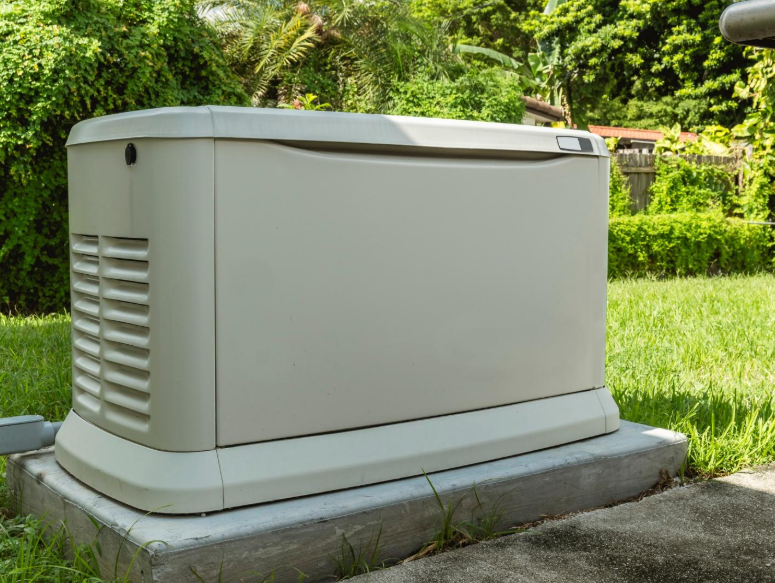
Standby generators mount permanently and connect to a home's electrical service using an automatic transfer switch that senses grid loss and starts the engine. The transfer switch moves selected circuits away from the grid so the generator powers them without backfeeding utility lines. A professional will inspect the main breaker, subpanels, and critical appliance loads to set which circuits the transfer switch should serve. This setup prevents overloads and keeps utility crews safe by isolating the house from the public grid during an outage.
Most standby units run on natural gas or liquid propane and accept a steady fuel supply for extended outages when available. Fuel plumbing and a dedicated line from the meter or an on-site tank require inspection before installation to ensure safe routing and shutoffs. Technicians check the fuel pressure, gauge readings, and valve operation during a pre-install assessment to confirm reliable supply. If fuel supply looks marginal, the installer will note options, and the homeowner can plan fuel logistics before proceeding.
Noise, startup delay, and load capacity are practical criteria to weigh when considering a standby unit for a home in Wilmington, NC or Shallotte, NC. Homeowners often report a noticeable motor sound and brief vibration during engine start that abates once the unit runs steadily. A professional would measure voltage output and run a load test while monitoring the service panel and GFCI/AFCI behavior to confirm the generator supports chosen circuits. Written test results and a recommended load list help homeowners understand expected performance during an outage.
Inspecting the installation location matters for safe exhaust routing, proper clearances, and maintenance access around the generator enclosure. Technicians will verify grounding conductor connections, the transfer switch wiring, and the battery charger circuit to ensure reliable automatic starts. Permit requirements and local setbacks affect siting, so get a professional to review codes and obtain any necessary permits before work begins. If you want to schedule an evaluation, contact a licensed electrician to review loads and site factors for a standby option.
Portable Generator Types and Practical Home Uses
Smaller, transportable units serve specific practical uses around the home when power interruptions are short and targeted. Homeowners use them to run a freezer, charge batteries, or power a sump pump briefly without changing house wiring. A professional can advise which appliances are safe to connect based on nameplate wattage and expected startup surge. For safety, a licensed electrician should confirm grounding and recommend a proper inlet or transfer method before any connection.
Identifying which circuits or appliances to support begins with a basic load check at the service panel and major breaker labels. A technician will inspect the main panel, note GFCI and AFCI locations, and test voltage under simulated load conditions. That inspection shows whether dedicated circuits are needed for refrigeration, medical devices, or HVAC equipment. Written findings help homeowners prioritize which loads to protect during an outage.
Placement and ventilation matter when operating a temporary unit near the house or garage to prevent exhaust buildup and carbon monoxide risk. A pro will recommend safe distances from doors, windows, and vent openings and may suggest battery-powered CO detectors as an extra precaution. Fuel storage and refueling practices also affect safe operation, and an installer can show correct containers and handling. If noise or vibration is a concern, mounting pads and isolation techniques can reduce impact on living spaces.
For residential homeowners, access to fuel and local ordinances influence how homeowners plan short-term backup power. Prior to use, document appliance wattages and label circuits so responders know which loads are critical during an outage. A professional diagnosis includes simple tests like a voltage reading at the inlet and a timed run to confirm stability under load. After that inspection, schedule any recommended electrical upgrades or transfer equipment installation with a licensed electrician.
Comparing Power Capacities and Load Management Strategies
Compare rated kilowatts and surge capacity when matching generator types to a home's needs because appliances have different startup draws. Look at nameplate data on HVAC compressors, water heaters, and refrigerators to estimate continuous and starting loads. A licensed electrician will perform a load calculation at the main panel and on individual breakers to confirm safe sizing. That diagnosis usually includes voltage readings and a written load summary for decision-making.
- List continuous loads to protect critical circuits.
- Note motor startup surges for large appliances.
- Consider future expansion of electrical equipment.
- Match transfer switch capacity to generator rating.
Load management strategies let smaller units handle essential circuits by sequencing or shedding nonessential loads automatically. Automatic transfer switches can work with load controllers to stagger motor starts and prevent overload trips. A professional may install a manual or automatic load management device tied to specific breakers for prioritized circuits. These setups reduce required generator size while preserving power to critical systems like refrigeration or medical devices.
When inspecting for load-management readiness, a technician checks the service panel, main breaker, and individual breaker labeling for clarity and capacity. They may use a clamp ammeter for running current measurements and a voltage tester to confirm stability under simulated loads. Inspection findings often include recommended breaker rearrangements, dedicated circuits, or panel upgrades to support selected generator types. Written recommendations guide homeowners on which upgrades prioritize reliability during outages.
For property owners, fuel logistics and local restrictions influence capacity decisions and feasible load strategies. A professional will factor in fuel availability and typical outage length when advising on generator size and load control options. If you want to schedule a load assessment, contact a licensed electrician who can provide measurements, written options, and a timeline for necessary electrical work. Proper planning helps avoid overloads and keeps critical circuits powered during extended outages.
Fuel Options for Generators and Maintenance Decisions
Fuel choice affects runtime, storage, and maintenance intervals for home standby generators, so compare options before committing. Natural gas offers continuous supply when service is active and needs little on-site storage for extended outages. Liquid propane stores on-site and burns cleanly but requires tank monitoring and periodic refilling during long outages. Diesel delivers high energy density but requires fuel stabilizers and regular fuel-system inspections to prevent gelling or microbial growth.
Maintenance routines differ by fuel: oil and filter changes, spark plug checks, and battery tests remain common across types. For diesel units, technicians will inspect fuel filters, water separators, and perform periodic fuel polishing to maintain cleanliness. Natural gas systems need valve and pressure checks plus periodic exercise runs to confirm automatic start sequences and transfer switch operation. Propane systems require regulator inspections and leak checks, plus tank gauge monitoring to plan timely refills.
When diagnosing fuel-related problems, professionals look for obvious symptoms like hard starts, excessive smoke, fuel odors, or voltage instability under load. A technician will check fuel lines, test voltage output at the service panel, and record runtime hours and oil pressure during a controlled start. They may use a clamp ammeter and a multimeter to confirm generator performance and a written report to explain findings and recommended repairs. These diagnostic steps reveal whether fuel supply, governor settings, or electrical connections need attention.
Service decisions should factor in local fuel access and expected outage length for practical reliability planning in Wilmington, NC and Shallotte, NC. Homeowners should request maintenance intervals and a parts checklist from their installer to compare long-term upkeep needs. Schedule annual professional service and more frequent checks if the unit supports medical equipment or climate control. If you want to arrange a professional inspection, contact a trusted electrician to review fuel options, maintenance plans, and written recommendations for your home.
Safety Risks with Generators and When to Act
Operating a permanently installed generator involves safety risks that homeowners should understand before using their system. Generator exhaust contains carbon monoxide, so proper installation, clearances, and exhaust placement matter. A qualified professional can inspect the installation and check safety features for potential hazards. If a carbon monoxide detector sounds or you suspect an exhaust problem, shut down the generator if it is safe to do so and contact a professional.
Backfeeding electricity onto utility lines can endanger utility workers and damage electrical equipment. A properly installed transfer switch helps isolate the generator from the utility supply during operation. An electrician can inspect the transfer equipment and generator connections to identify installation or performance problems. Breaker trips, unusual electrical behavior, or flickering lights during generator operation warrant professional attention.
Overloads, damaged connections, and electrical faults can increase the risk of overheating, arcing, or fire. A qualified electrician can evaluate the generator's electrical connections, protective devices, transfer equipment, and expected loads. Visible scorch marks, burning odors, or repeated breaker trips are warning signs that should not be ignored. These concerns also highlight the importance of coastal electrical safety inspections, especially when electrical equipment may be exposed to harsh environmental conditions.
Fuel systems also need professional attention because leaks or equipment problems can create fire and operating hazards. A technician can inspect accessible components for signs of deterioration or other concerns as part of generator service. Homeowners in Wilmington, NC, and Shallotte, NC may also consider an inspection after severe storms or extended periods without generator use, particularly if they notice damage or unusual operation.
When to Call a Professional Service for Generators
Call a professional when you notice persistent voltage fluctuations, burning smells, or repeated breaker trips during generator operation. A qualified electrician will inspect the transfer switch, service panel, and grounding conductor to identify faults. They will perform voltage readings and a continuity test to confirm safe wiring and isolation. If you detect exhaust odors inside the home, stop use and arrange an immediate inspection.
- Broken automatic transfer switch behavior needs professional testing.
- Persistent breaker tripping requires load and wiring inspection.
- Unusual exhaust smell demands exhaust and ventilation checks
- Visible damage to the generator enclosure needs assessment.
If the generator fails to start automatically, technicians will verify battery condition, starter circuit, and control module operation. They use a multimeter for voltage checks and a clamp ammeter to observe starting current during a controlled test. A professional also reviews transfer sequencing to ensure the generator engages and reconnects loads safely. Written test results help homeowners decide on repairs or replacement.
When planning new wiring or a transfer switch upgrade, hire a licensed electrician to assess panel capacity and breaker configuration. The inspector will perform a load calculation and record running current on major circuits to recommend correct transfer switch sizing. They may suggest dedicated circuits for medical equipment or sump pumps to protect critical loads. Ask for a written scope and timeline before work starts.
After severe storms or long idle periods, schedule a professional tune-up to confirm reliable automatic starts and fuel-system integrity. During the visit, technicians check fuel lines, valve operation, and run the unit under load briefly to confirm stability. They provide a written report documenting findings, recommended repairs, and maintenance intervals for homeowner records. If safety concerns exist, rely on a licensed professional like Mister Sparky® of Wilmington, NC to diagnose and resolve issues.
Choosing the Right Generator Types for Your Home
Start by defining which circuits and appliances are essential during an outage. Refrigeration, sump pumps, medical equipment, and other critical needs can help establish priorities. A professional can evaluate the home's electrical demand and determine which circuits the backup system should support. The assessment may also identify electrical upgrades needed for a safe and reliable installation.
Next, consider how long you may need backup power and which fuel options are practical for your property. Some households need extended power during longer outages, while others prioritize shorter periods of essential coverage. A site assessment can help determine which equipment and installation options fit those needs. For a broader comparison, see our guide to the best emergency power solutions for homes.
Placement also affects generator safety and everyday use. Noise, exhaust, required clearances, and applicable installation requirements can influence where equipment is located around a Wilmington, NC, home. A qualified professional can evaluate the site and recommend a location that accounts for the generator manufacturer's requirements and applicable codes. Careful planning can also help limit unwanted noise and exhaust concerns.
Finally, plan for routine testing and maintenance after installation. Professional service can identify battery, fuel-system, electrical, or operating concerns before the generator is needed during an outage. If you notice unusual noises, smoke, burning odors, or other abnormal operation during a test, stop using the system if it is safe to do so and arrange a professional inspection.